How to Reduce Vacancy Rates: A Property Manager’s Playbook for 2026
Here’s How to Reduce Vacancy Rates: A Property Manager’s Playbook for 2026 Practical tips on marketing, tenant retention, and lease […]
Here’s How to Reduce Vacancy Rates:
A Property Manager’s Playbook for 2026
Practical tips on marketing, tenant retention, and lease renewal strategies — built for Utah property owners navigating today’s rental market.
| 5.6%
Utah avg. rental vacancy rate (2025) |
$1,450
Est. monthly loss per vacant unit |
73%
Vacancies preventable with proactive strategies |
Vacancy is the silent profit killer in property management. In a market as competitive as Utah’s — from Salt Lake City to St. George — even a single empty unit for 30 days can erase months of net income. This playbook arms you with proven, actionable strategies to keep your properties full and your tenants happy in 2026.
- Market Smarter, Not Just Harder
In 2026, the most successful Utah landlords treat their listings like product launches. Generic ads won’t cut it. Today’s renters — especially Millennial and Gen Z households now dominating the Salt Lake metro — discover rentals through targeted digital channels and make decisions fast.
- List on Zillow, Apartments.com, Facebook Marketplace, and KSL Classifieds — cover all four for maximum Utah exposure.
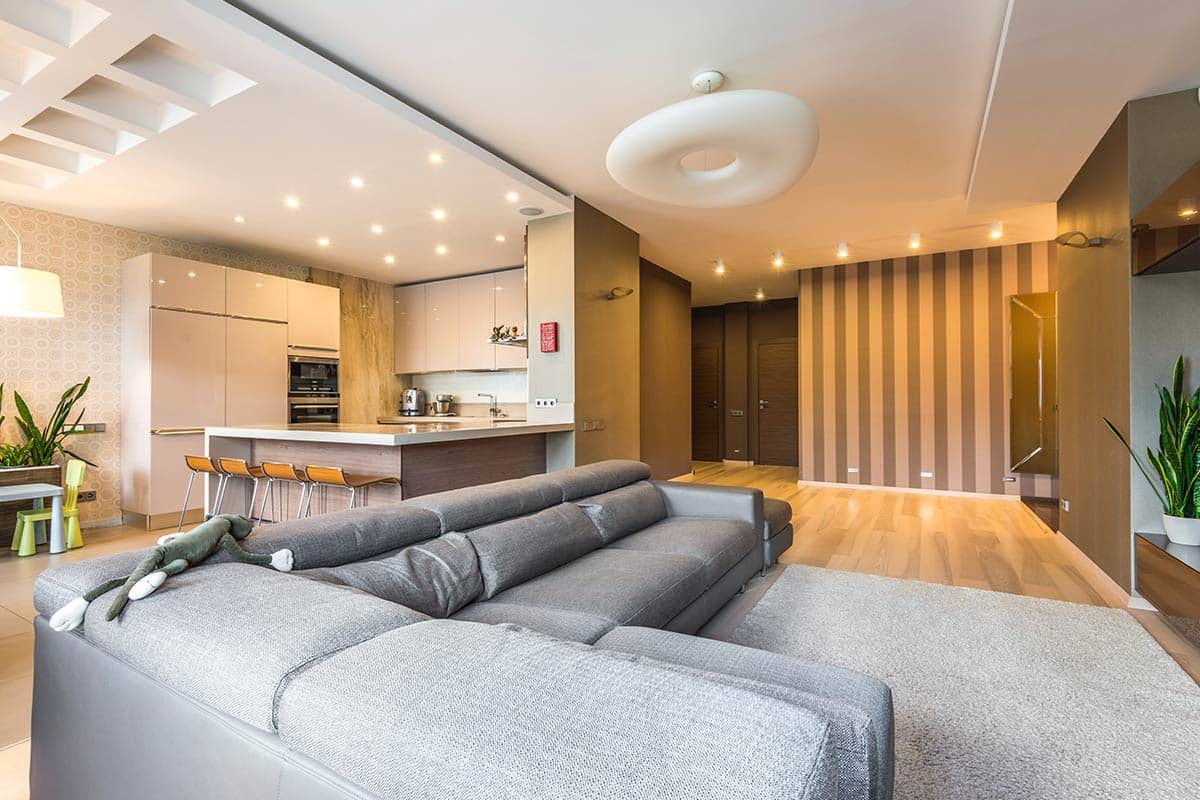
- Invest in professional photography. Listings with high-quality photos rent up to 32% faster and at higher rates.
- Offer virtual 3D tours. Renters relocating from out of state convert at much higher rates with virtual walkthroughs.
- Write listings that sell a lifestyle: mention proximity to trails, ski resorts, tech corridors, and schools — not just square footage.
| PRO TIP
Start marketing your unit 45–60 days before the current lease ends. Utah’s rental market moves quickly — especially in Provo, Orem, and Lehi — and the best tenants aren’t waiting around. |
- Price with Precision
Overpricing is one of the most common causes of extended vacancies. An empty unit at $1,700/month costs more than a filled one at $1,625. Use dynamic pricing tools or manually review comparables monthly to ensure you’re competitive without leaving money on the table.
In Utah’s diverse markets — where Salt Lake City rents differ significantly from rural Cache County — hyperlocal pricing matters. Pull comparables within a 1–2 mile radius and match pricing to your unit’s condition, amenities, and location.
| STRATEGY
Consider offering a small move-in incentive (e.g., first week free or a one-time $200 gift card) rather than lowering monthly rent. Incentives attract tenants quickly without permanently compressing your rental income baseline. |
- Retain Great Tenants Before They Leave
The best vacancy reduction strategy is keeping your current tenants happy. Turnover is expensive — between cleaning, repairs, lost rent, and marketing, replacing a tenant can cost $2,000–$5,000 or more. Retention is always cheaper than recruitment.
“The landlord who responds to a maintenance request in 24 hours rarely has a vacancy problem.”
- Respond to all maintenance requests within 24 hours — even if only to acknowledge receipt and set a timeline. Speed builds trust.
- Send a mid-year check-in survey (3–5 questions) to gauge tenant satisfaction before dissatisfaction becomes a notice to vacate.
- Make small, visible improvements each year — fresh paint, updated fixtures, a new appliance — to show the property is being cared for.
- Consider a loyalty incentive — a small rent credit or upgrade after 2+ years of on-time payments. Long-term tenants are gold.
- Master the Lease Renewal Conversation
The lease renewal window is your single highest-leverage moment as a property owner. Start the conversation 90 days before expiration — not 30. This gives both parties time to negotiate without pressure, and gives you time to re-market if the tenant decides to leave.
- Offer a renewal incentive for early commitment — even a $100 credit signals appreciation and locks in your income ahead of schedule.
- Be transparent about any rent increases. Share your reasoning and offer a slightly lower increase in exchange for a longer lease term.
- For month-to-month tenants, offer a meaningful discount to lock them into a 12-month term. Predictability is worth a lower rate.
- Follow up. If a tenant does not respond to the first renewal offer, a friendly personal call can make the difference.
- Leverage Technology to Stay Ahead
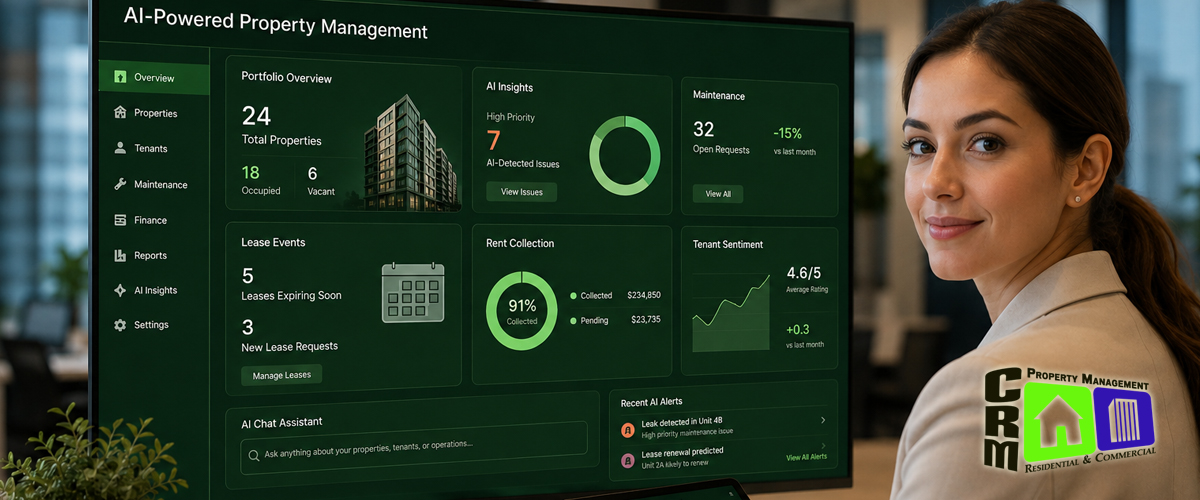
In 2026, Utah property owners who use property management software consistently outperform those who do not. Platforms like AppFolio, Buildium, or TurboTenant automate the most vacancy-prone friction points: slow applications, clunky rent collection, and delayed maintenance communication.
Automated rent reminders reduce late payments significantly — and tenants who pay on time and feel respected rarely leave voluntarily. Online portals make the renewal process frictionless, allowing tenants to sign new leases digitally in minutes.
| UTAH-SPECIFIC NOTE
With Utah’s continued in-migration from California and the Pacific Northwest, more applicants will be applying remotely. Fully digital applications and e-sign leases are no longer a perk — they’re an expectation that directly impacts your ability to attract top-tier tenants. |